

Blog
Guides and explainers on enterprise servers, storage, memory and networking.

How to Check SSD SMART Data Before Failure Happens
Read article →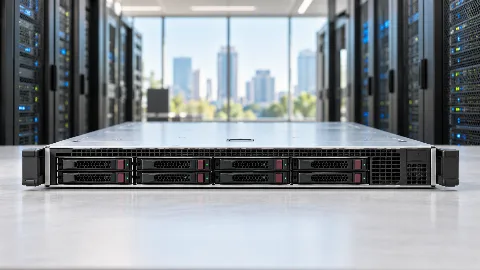
Servers & Systems
What Businesses Use the HPE ProLiant DL360 Gen10 For
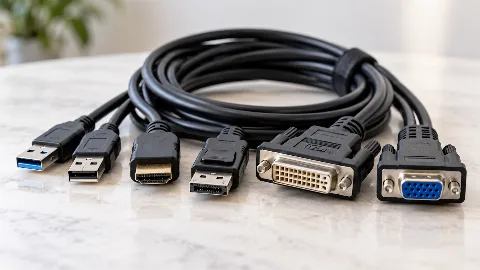
Cables
What Are KVM Cables and How Do They Work?
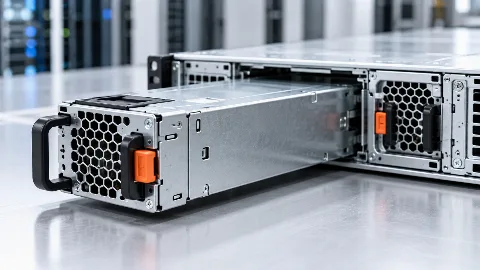
Power & Electrical
What Does a Common Slot Power Supply Mean?
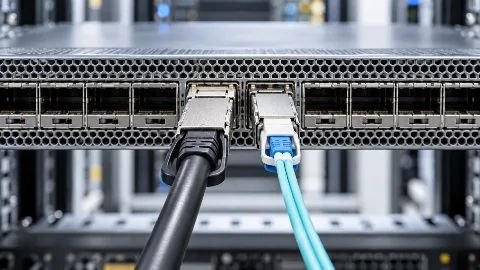
Cables
Passive Copper Cables vs Active Optical Cables Explained
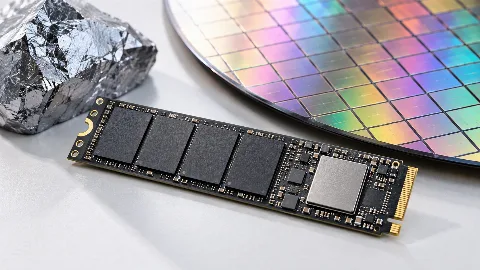
Solid State Drives
How Are Solid State Drives Made From Silicon to Finished Storage?
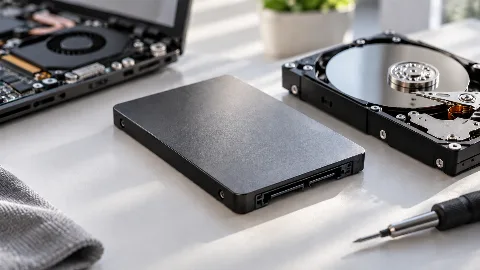
Solid State Drives
Common Misperceptions About Solid State Drives Explained Clearly
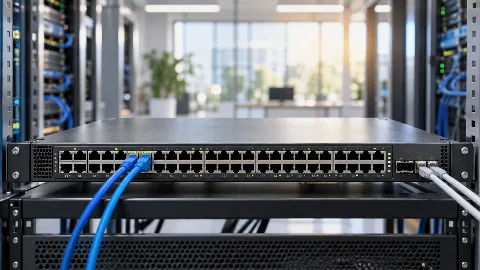
Networking
Layer 2 vs Layer 3 Switches: Key Differences Explained
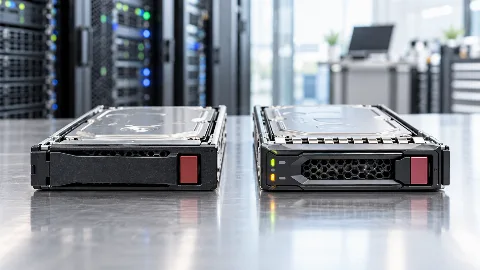
Hard Drives
Basic vs Smart Carriers for Hard Drives Explained
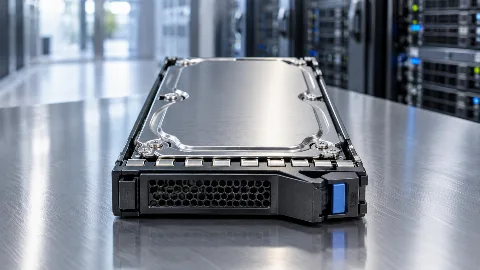
Hard Drives
What Does a 4K Sector Size Mean on a Hard Drive?
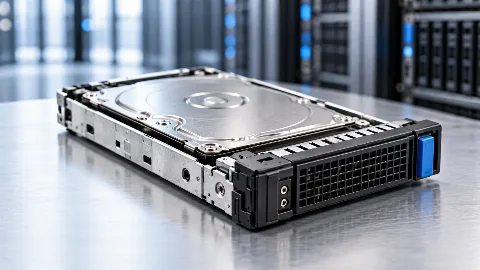
Hard Drives
What Does 512e Mean on a Hard Drive?
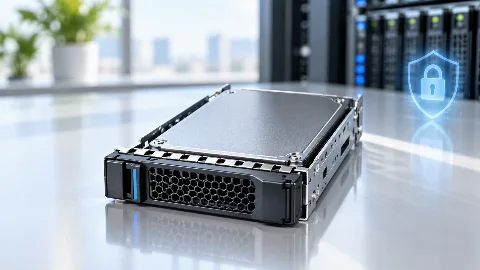
Hard Drives
What Is a Self Encrypting Drive and How Does It Work?
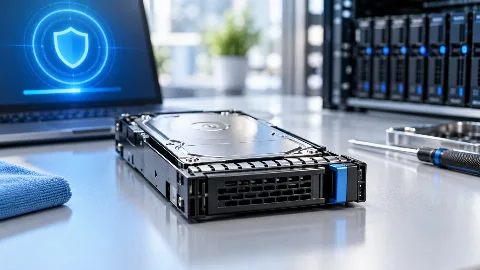
Hard Drives
What Does Sanitize Instant Erase Mean for a Hard Drive?
Hard Drives
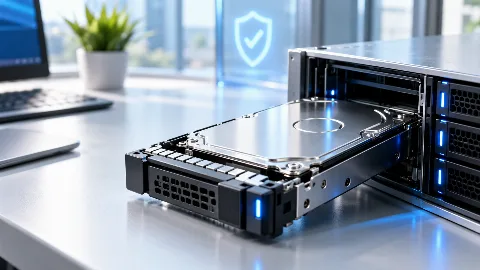
What Does It Mean If a Hard Drive Is Digitally Signed?
Hard Drives
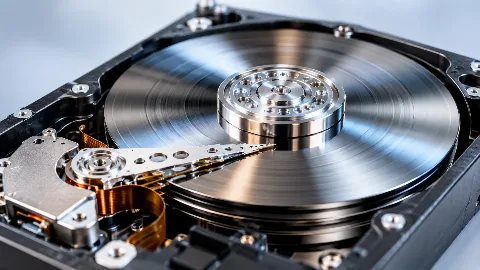
What Is Hard Drive Spindle Speed and Why It Matters
Hard Drives
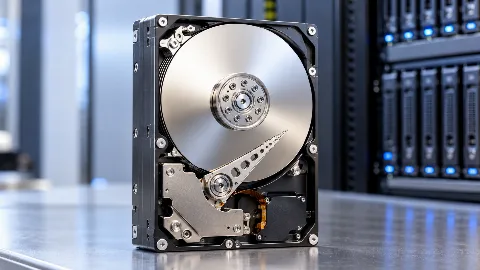
What Helium-Filled Hard Drives Mean and Why They Matter
Memory
Latency Timing Explained: Understand CAS Latency and RAM Speed
Memory
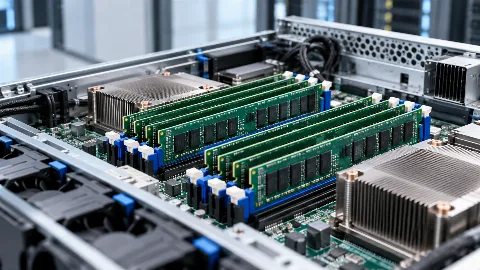
Demystifying Server Memory Specifications for Smarter Infrastructure Decisions
Solid State Drives
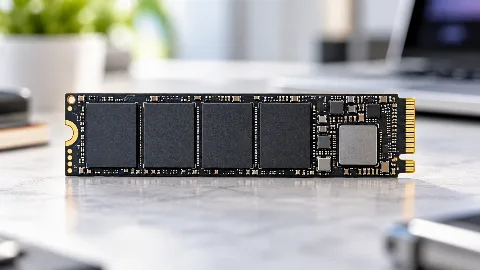
Understanding NAND Flash Memory Types in SSDs
Solid State Drives
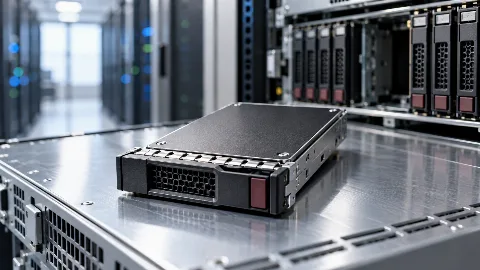
When to Use a Read Intensive SSD for Server Workloads
Memory
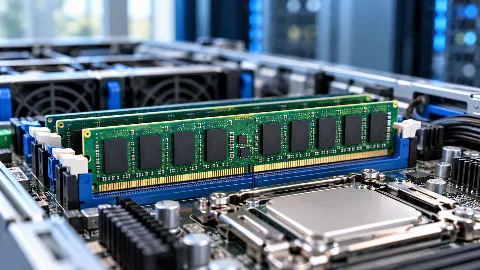
What Does ECC Server Memory Mean for Reliability?
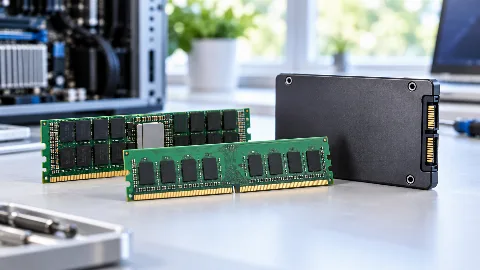
Memory
Standard Memory vs Flash Memory: Key Differences Explained
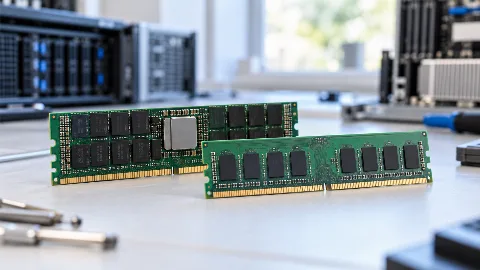
Memory
Buffered vs Unbuffered RAM: Understand the Key Differences
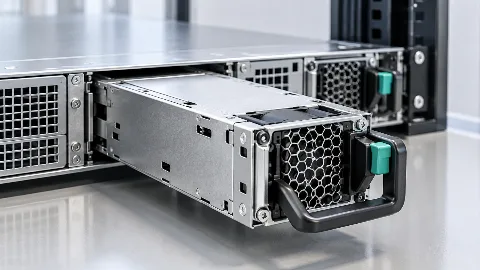
Power Supplies
What Does Flex Slot Mean for HPE Server Power Supplies?
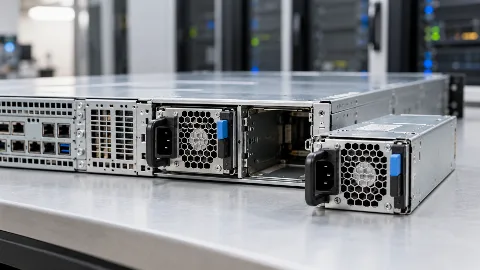
Power Supplies
Redundant vs Non-Redundant Power Supplies Explained
Showing 2–25 of 33 articles